Source foundation sponge for Kitchen, Face, and Beauty Applications
Find 30 verified suppliers offering foundation sponge options in various materials like sponge and hydrophilic polyurethane. Compare specifications, customization features, and pricing details for face and kitchen use cases directly from Chinese manufacturers.
Key considerations
Products List


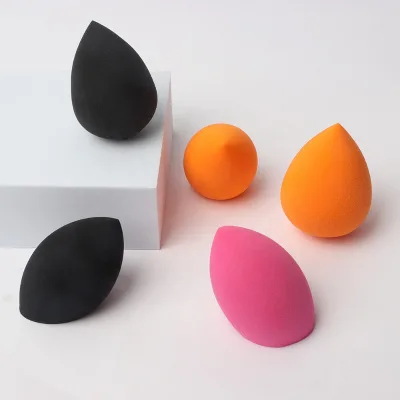


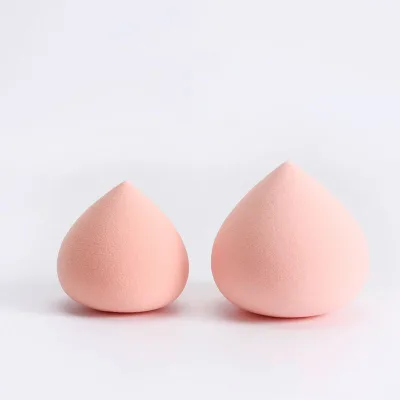


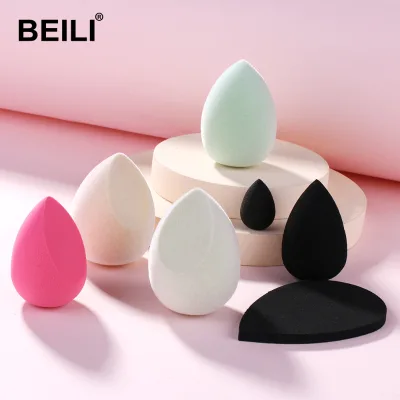

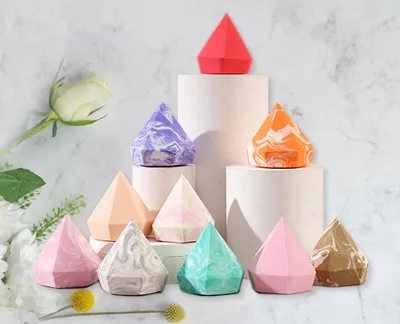



Comprehensive Sourcing Guide
Strategic Sourcing Guide for Foundation Sponges in B2B Markets
The global demand for high-quality makeup application tools has driven a significant expansion in the B2B procurement of foundation sponges. For procurement professionals, sourcing these items requires a nuanced understanding of material science, manufacturing capabilities, and supply chain logistics. Unlike consumer retail purchases, B2B acquisition involves complex negotiations regarding customization, volume tiers, and quality assurance protocols. This guide provides a structured approach to navigating the foundation sponge market, focusing on the specific attributes and operational realities observed in current supply chains.
Material Composition and Physical Specifications
The foundation of any successful procurement strategy lies in the precise definition of material and physical specifications. The market for foundation sponges is dominated by two primary material categories: sponge and hydrophilic polyurethane. These materials dictate the texture, absorption rate, and durability of the final product. Procurement teams must verify the material composition early in the supplier engagement process, as the performance characteristics differ significantly between standard sponge and hydrophilic polyurethane variants.
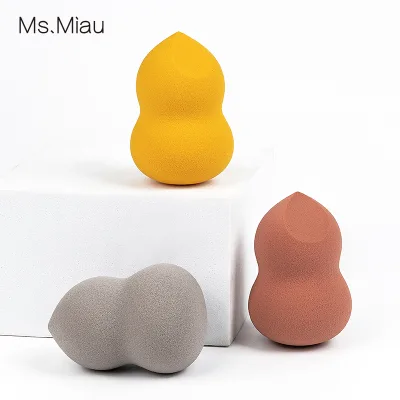
Hydrophilic polyurethane is frequently cited as a premium option, often described as "super soft" and capable of expanding when wet. This material choice is critical for buyers targeting the "facial beauty sponge" segment, where the goal is a seamless, airbrushed finish. In contrast, standard sponge materials may offer different absorption properties suitable for specific application techniques. Beyond material, the physical dimensions are a key differentiator. Suppliers offer a wide range of standardized sizes, such as 455539mm, 504020mm, and 604040mm. Some manufacturers also provide highly customizable dimensions, allowing buyers to request specific sizes like 4060mm or 2030mm to meet unique branding or ergonomic requirements.
When evaluating potential suppliers, buyers should request detailed specification sheets that confirm the exact density and pore structure of the sponge. The ability to customize dimensions is a strong indicator of a manufacturer's flexibility. However, it is essential to distinguish between standard catalog items and bespoke solutions, as the latter often incur higher tooling costs and longer lead times. The observed market data indicates that while some models have fixed standard sizes, others explicitly state that dimensions can be customized, providing a clear path for product differentiation.
Customization Capabilities and Branding Requirements
In the competitive beauty tool sector, customization is not merely an option but a necessity for brand differentiation. The supply chain data reveals that customization is widely available across multiple dimensions, including color, packaging, and logo application. Buyers should expect that suppliers can accommodate requests for "Any Pantone Color," allowing for precise brand alignment. This is particularly relevant for companies launching limited edition collections or those with strict corporate color guidelines.
Packaging customization is another critical area. The market supports a variety of packaging formats, ranging from individual OPP bags to PVC boxes and PET bags. Some suppliers offer a "Can Be Individual Package" option, which is ideal for premium product lines, while others utilize bulk packaging strategies like 50PCS/OPP Bag or 4PCS/OPP Bag configurations. The outer packing is equally important, with export-standard cartons being the norm. However, the flexibility to customize carton details according to customer requirements is a valuable feature for logistics optimization and retail presentation.
Logo application and private labeling are standard services in this sector. Suppliers explicitly state that private labels are acceptable and that OEM/ODM services are warmly welcomed. This allows buyers to create a cohesive brand identity without relying on generic, unbranded products. When negotiating, procurement teams should clarify the minimum order quantities (MOQ) associated with custom packaging and branding. While some suppliers may have a baseline MOQ of 500 pieces, others might require 1000 pieces or more for custom color runs or specialized packaging. Understanding these thresholds is vital for inventory planning and cash flow management.
Cost Drivers and Volume Economics
The pricing structure for foundation sponges is influenced by a complex interplay of factors, including material costs, customization levels, and order volume. The observed price range in the market spans from $0.01 to $2.43 per unit, a wide disparity that reflects the diversity in material quality and production complexity. Lower-priced items typically correspond to standard, non-customized sponge products with basic packaging. Conversely, the upper end of the price spectrum is associated with hydrophilic polyurethane sponges, custom Pantone colors, and intricate packaging solutions.
Volume economics play a pivotal role in determining the final unit cost. Suppliers often employ tiered pricing models where the per-unit cost decreases as the order quantity increases. The Minimum Order Quantity (MOQ) varies significantly, with observed ranges from 1 piece to 10,000 pieces. A common threshold for custom orders appears to be around 500 to 1000 pieces. Buyers must balance the desire for lower unit costs against the risk of overstocking. For new product launches, starting with a lower MOQ to test market response is a prudent strategy, even if the per-unit cost is higher.
Additional cost drivers include the complexity of the packaging design and the speed of production. Custom packaging designs may require additional setup fees or longer production times. Similarly, rush orders or expedited shipping can increase the overall cost. Buyers should also consider the gross weight per batch, as this impacts shipping logistics. For instance, a specific batch might have a gross weight of 5.400 kg, which influences freight costs and warehouse space requirements. A comprehensive cost analysis should factor in all these variables to ensure a competitive total landed cost.
Compliance, Safety, and Quality Assurance
While specific certification data may vary by supplier, compliance with safety standards is non-negotiable for foundation sponges intended for facial use. Buyers must verify that the materials used, particularly hydrophilic polyurethane, are free from harmful substances such as heavy metals, phthalates, and latex allergens. The "washable" attribute observed in several product listings suggests that the sponges are designed for repeated use, which necessitates rigorous quality control to ensure they do not degrade or harbor bacteria after multiple wash cycles.
Quality assurance protocols should be a central part of the supplier evaluation process. Buyers should request documentation regarding the manufacturing process, including hygiene standards and quality control checkpoints. The "Super Soft" feature mentioned in product descriptions implies a specific tactile quality that must be consistently maintained across batches. To verify this, buyers should conduct physical testing on samples, assessing the sponge's elasticity, water absorption rate, and ability to return to its original shape after compression.
Furthermore, the "Washable" claim requires validation. Procurement teams should test the sponges for durability after multiple wash cycles to ensure they do not disintegrate or lose their shape. This is particularly important for products marketed as reusable beauty tools. If a supplier cannot provide evidence of washability or durability testing, it is advisable to seek alternative sources. Additionally, buyers should ensure that the packaging materials, such as OPP bags and cartons, meet relevant environmental and safety standards, especially if the target market has strict regulations regarding plastic usage.
Supplier Evaluation and Operational Logistics
Selecting the right supplier involves more than just comparing prices; it requires a thorough assessment of operational capabilities and reliability. The supply chain data indicates that the majority of foundation sponge manufacturers are based in China, with specific origins noted in regions like Henan. This concentration of manufacturing hubs offers buyers access to a robust ecosystem of suppliers, but it also necessitates careful due diligence regarding logistics and communication.
Key performance indicators for supplier evaluation include sample lead times, production capacity, and communication responsiveness. The observed sample time of 1-5 working days is a strong indicator of a supplier's agility. Buyers should test this timeline by requesting samples before committing to a large order. A supplier that can deliver high-quality samples quickly is more likely to be efficient in full-scale production. Additionally, buyers should verify the supplier's ability to handle the "Selling Units" structure, which may require orders in multiples of 200 or specific batch sizes.
Logistics planning is another critical component. The "Package size per batch" and "Gross weight per batch" data provided by suppliers are essential for calculating shipping costs and optimizing container loading. For example, a batch size of 50X30X18 cm and a gross weight of 5.400 kg must be factored into the overall logistics strategy. Buyers should also consider the "Place of Origin" when assessing potential tariffs or trade barriers. Ensuring that the supplier has experience with export-standard cartons and international shipping protocols will help prevent delays and damage during transit.
Long-Term Procurement and Market Trends
Sourcing foundation sponges is not a one-time transaction but a long-term partnership that requires strategic planning. The market trend toward customization and sustainability suggests that buyers should prioritize suppliers who are adaptable and innovative. The ability to offer "Any Pantone Color" and "Customized Packaging" indicates a supplier's capacity to evolve with market demands. As consumer preferences shift towards eco-friendly and personalized products, procurement teams must ensure their suppliers can meet these evolving requirements.
Long-term considerations also include the stability of the supply chain and the potential for scaling operations. Buyers should assess the supplier's production capacity to ensure they can handle increased order volumes without compromising quality or lead times. The "Global" market reach observed in some listings suggests that successful suppliers have the infrastructure to support international distribution. However, buyers should remain vigilant about potential disruptions, such as raw material shortages or geopolitical issues, and develop contingency plans accordingly.
Finally, maintaining a strong relationship with suppliers is crucial for securing favorable terms and priority service. Regular communication, feedback loops, and joint planning sessions can help align the supplier's capabilities with the buyer's strategic goals. By focusing on these long-term factors, procurement professionals can build a resilient supply chain that supports the growth and success of their foundation sponge product lines.
FAQs
What materials are used for foundation sponges?
Foundation sponges are primarily made from sponge or hydrophilic polyurethane. Hydrophilic polyurethane is often preferred for its super soft texture and ability to expand when wet, while standard sponge offers different absorption properties for various application techniques.
Can I customize the color and packaging of sponges?
Yes, customization is widely available for both color and packaging. Suppliers can accommodate any Pantone color requests and offer various packaging formats including OPP bags, PVC boxes, and PET bags, with options for individual or bulk export-standard cartons.
What is the typical minimum order quantity for these sponges?
The minimum order quantity varies significantly depending on the supplier and customization level. Observed MOQs range from 1 piece to 10,000 pieces, with common thresholds for custom orders appearing around 500 to 1,000 pieces for specific production runs.
Are foundation sponges washable and reusable?
Many foundation sponges are designed to be washable and reusable. The hydrophilic polyurethane variants are specifically noted for their durability and ability to return to shape after compression, though buyers should verify washability claims through sample testing.
Where are these foundation sponges manufactured?
The majority of foundation sponge manufacturers are based in China, with specific origins noted in regions like Henan. This concentration provides access to a robust supply chain, though buyers should verify specific factory locations and export capabilities.
How long does it take to get samples?
Sample lead times are typically short, often ranging from 1 to 5 working days. This quick turnaround indicates supplier agility, allowing buyers to test product quality and specifications before committing to larger production orders.
What are the standard dimensions for foundation sponges?
Standard dimensions vary by model, with sizes such as 45*55*39mm, 50*40*20mm, and 60*40*40mm being common. Many manufacturers also offer customizable dimensions, allowing buyers to request specific sizes like 40*60mm or 20*30mm for unique branding needs.